Nasik Fatafat: The Fast Number Game That Keeps Nashik Awake All Day
Every city has its own rhythm.
In some places, people wake up checking stock prices. In others, they open cricket scores before brushing their teeth.
But across many neighborhoods in Nashik, another habit quietly became part of daily life: checking Nasik Fatafat result updates.
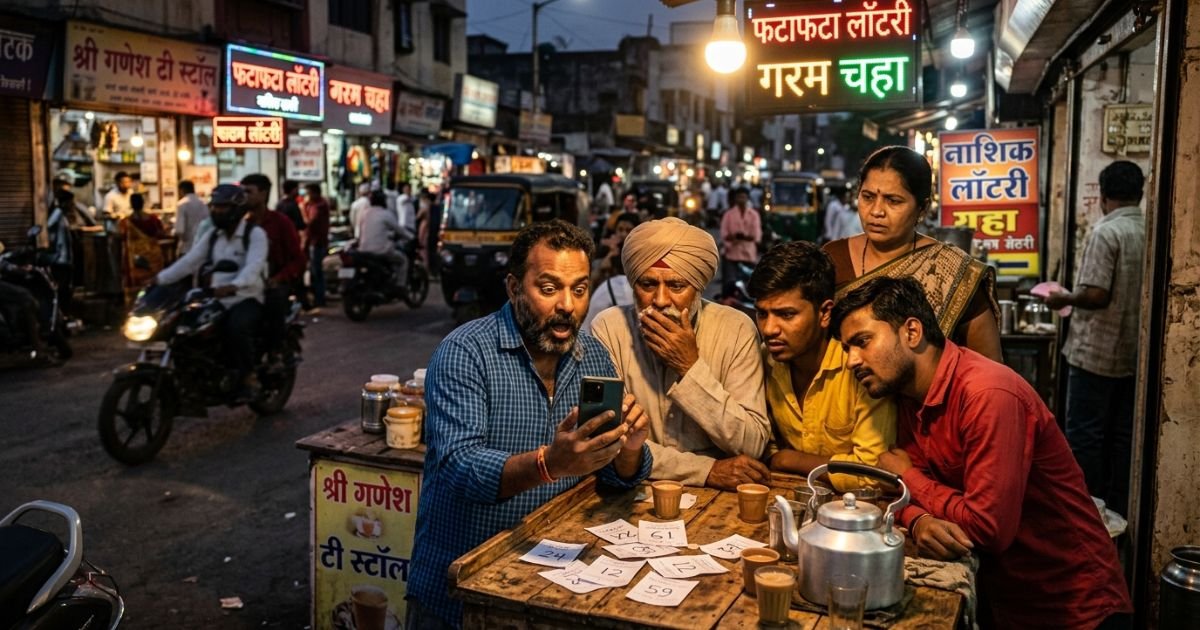
A tea stall gets crowded suddenly. Someone refreshes a result page repeatedly. A shopkeeper whispers number combinations to a customer. Phones buzz with chart screenshots. People argue over “lucky patterns” with complete seriousness.
To outsiders, it may look strange.
How can a simple number game create so much attention?
The answer is simple: Nasik Fatafat is not just a game anymore.
For many people, it became:
- entertainment
- routine
- emotional escape
- social culture
- habit
- hope
That is why the game continues growing despite debates around legality, online gambling, financial risks, and addiction concerns.
What makes the game powerful is not only the possibility of winning money.
It is the speed.
Everything happens fast.
You choose numbers. You wait briefly. The result appears. Another draw starts again.
That rapid cycle creates emotional intensity traditional lotteries cannot match.
Some people play casually for fun. Some follow every draw obsessively. Some believe deeply in lucky numbers and charts. Some simply enjoy the excitement that arrives every few hours.
But behind the thrill, there is another side most people ignore:
- emotional dependency
- repeated losses
- fake operators
- compulsive habits
- financial strain
This guide explains the complete reality behind Nasik Fatafat — not just how the game works, but why it became so deeply connected to local culture and human psychology.
What Is Nasik Fatafat?
Nasik Fatafat is a fast lottery-style number prediction game popular in Nashik and surrounding regions of Maharashtra.
The word “Fatafat” means “quickly,” and the game lives up to that name perfectly.
Unlike traditional lotteries where people wait days for results, Nasik Fatafat runs multiple draws throughout the day. Players choose number combinations, place small bets, and receive outcomes within minutes.
That speed completely changes the emotional experience.
Instead of one long wait, players experience repeated waves of anticipation all day long.
The game became especially popular among:
- local workers
- shopkeepers
- small traders
- transport workers
- market communities
- tea stall regulars
Its low entry cost made participation easy, while quick results made the experience emotionally addictive.
Over time, Nasik Fatafat evolved into more than gambling entertainment. It became part of local conversation itself.
Why Nasik Fatafat Became So Popular So Quickly
Many people underestimate how intelligently fast lottery systems are designed psychologically.
The popularity of Nasik Fatafat is not random.
It is built around human behavior perfectly.
Quick Results Create Constant Excitement
Traditional lotteries lose emotional momentum because waiting periods are long.
Nasik Fatafat removes that waiting entirely.
Players receive emotional feedback rapidly:
- excitement
- suspense
- disappointment
- hope
- anticipation
And then the cycle starts again almost immediately.
That fast emotional turnover keeps the brain continuously engaged.
Small Bets Feel Emotionally Safe
Most players begin with tiny amounts.
That creates the illusion that the game is harmless because each individual bet feels insignificant.
But psychologically, repeated small spending feels lighter than one large payment even when total monthly losses become substantial.
That is one reason quick-draw games spread so easily.
Must Read: Foot Fetish Captions for Instagram That Instantly Make Your Posts More Addictive
Community Involvement Makes It Social
People rarely experience Nasik Fatafat alone emotionally.
The game exists socially through:
- tea stall discussions
- WhatsApp groups
- local chart sharing
- prediction debates
- result checking circles
- neighborhood agents
Winning becomes community celebration.
Losing becomes community conversation.
That social structure keeps emotional engagement high.
How Nasik Fatafat Works
The simplicity of the game is one of its biggest strengths.
Basic Structure
The process usually works like this:
- A player selects number combinations.
- Bets are placed through agents or platforms.
- Draws happen multiple times daily.
- Winning numbers are announced quickly.
- Matching numbers receive payouts.
That is why even beginners understand the game rapidly.
Number Formats
Different systems may vary slightly, but players commonly choose:
- two-digit numbers
- three-digit combinations
- sequence-based patterns
Many players use personal emotional connections while selecting numbers:
- birthdays
- anniversary dates
- dream symbols
- vehicle numbers
- house numbers
- repeated sequences
Others rely entirely on charts and previous results.
Multiple Daily Draws
One major reason Nasik Fatafat today result searches remain consistently high online is the frequency of draws.
The game operates across:
- morning rounds
- midday draws
- afternoon cycles
- evening results
- night sessions
The schedule keeps anticipation alive continuously.
Why People Keep Checking Nasik Fatafat Results
The obsession with Nasik Fatafat result updates goes beyond money.
Checking results itself becomes emotionally stimulating.
The brain reacts strongly to:
- uncertainty
- suspense
- near wins
- surprise outcomes
- emotional possibility
Even losing players often continue refreshing result pages repeatedly because anticipation itself becomes rewarding psychologically.
That emotional loop explains why many people stay attached to the game long after profits disappear.
The Psychology Behind Fast Lottery Games
Fast-result games affect the human brain differently from slower gambling systems.
Anticipation Creates Dopamine
The waiting period before results creates emotional tension.
The brain releases dopamine not only after winning — but during anticipation itself.
That means excitement happens before outcomes even arrive.
Near Misses Increase Emotional Attachment
When players lose narrowly, the brain interprets it emotionally as: “I was almost right.”
That feeling often increases motivation to continue playing rather than reducing it.
Fast Cycles Build Habit Quickly
The emotional loop becomes: bet → wait → result → repeat
Repeated enough times, this pattern becomes automatic behavior.
That is why many players begin checking results unconsciously throughout the day.
Tea Stall Culture and Nasik Fatafat
One of the most unique aspects of Nasik Fatafat game culture is how strongly it connects with local gathering places.
Tea stalls became unofficial result centers.
People gather there to:
- discuss number theories
- compare charts
- celebrate wins
- complain about losses
- predict future results
These conversations give the game emotional life beyond money itself.
In many areas, checking Fatafat results became as normal as discussing cricket scores.
How Online Platforms Changed Everything
Years ago, players depended almost entirely on physical agents.
Today, digital access transformed the game completely.
Players now:
- track results online
- join prediction groups
- analyze charts digitally
- receive notifications instantly
- compare historical records
This digital expansion increased participation massively.
But it also created serious new problems:
- fake result sites
- scam apps
- manipulated systems
- payout fraud
- unlicensed operators
That is why players must verify platforms carefully.
Is Nasik Fatafat Legal?
The legality of Nasik Fatafat lottery systems depends heavily on:
- state regulations
- operator licensing
- platform structure
- local gambling laws
India’s gaming laws vary between states, creating legal gray areas around many fast-result systems.
Why Unlicensed Operators Are Dangerous
Many players trust local agents blindly.
That creates risk.
Unverified operators may:
- refuse payouts
- delay winnings
- disappear suddenly
- manipulate records
- exploit players emotionally
Without proper regulation, recovering losses or disputed winnings becomes difficult.
The Hidden Risks Most Players Ignore
Quick lottery systems often appear harmless because individual bets are small.
But repeated play changes the situation completely.
Chasing Losses
Fast draws encourage emotional decision-making.
Players think: “One more round might recover everything.”
That thinking increases financial damage rapidly.
Emotional Dependency
Many players become attached not to winning — but to anticipation itself.
The game becomes emotional routine.
Financial Drain
Small repeated bets accumulate silently.
Many people never calculate their total monthly spending accurately.
Addiction Risk
Multiple daily draws increase compulsive behavior patterns significantly compared to slower gambling systems.
Why People Believe in Charts and Lucky Numbers
One fascinating aspect of Nasik Fatafat chart culture is how deeply people believe patterns exist.
Players analyze:
- repeated numbers
- historical sequences
- dream symbols
- “hot” combinations
- prediction charts
Psychologically, humans naturally search for order inside randomness.
That tendency explains why chart culture became such a huge part of Fatafat communities.
Why Winning Feels So Emotional
Winning in Nasik Fatafat feels emotionally powerful because:
- anticipation builds rapidly
- results arrive suddenly
- community reactions amplify excitement
- emotional tension releases instantly
Even small wins feel psychologically significant because emotional suspense magnifies outcomes.
That emotional intensity keeps players returning repeatedly.
Why Some People Never Stop Playing
This question matters deeply.
Most long-term players continue not because logic tells them to.
They continue because the game becomes connected to:
- routine
- hope
- excitement
- social belonging
- emotional stimulation
Over time, daily result checking can feel emotionally necessary.
That is the point where entertainment becomes unhealthy.
Smart Rules for Responsible Play
Anyone choosing to participate in Nasik Fatafat online systems should follow clear boundaries.
Set Daily Limits Before Starting
Never decide spending emotionally during gameplay.
Pre-decide your maximum amount.
Treat Wins Separately
Do not instantly reinvest winnings emotionally.
Avoid Borrowed Money Completely
Using loans or credit for lottery-style games creates dangerous financial pressure.
Verify Operators Carefully
Never trust random online result platforms blindly.
Track Every Bet
Written tracking exposes spending reality honestly.
Why Nasik Fatafat Reflects Modern Attention Culture
Modern entertainment increasingly rewards:
- speed
- instant gratification
- quick emotional stimulation
- repeated engagement
Nasik Fatafat fits perfectly into that environment.
The game mirrors broader digital behavior patterns where people constantly refresh screens looking for emotional rewards.
In many ways, it reflects modern psychology itself.
The Emotional Side Nobody Talks About
Most conversations focus only on winning or losing money.
But emotionally, Nasik Fatafat often represents:
- escape from stress
- daily excitement
- temporary hope
- social connection
- emotional distraction
Understanding this emotional layer explains why the game continues spreading despite obvious risks.
The Future of Nasik Fatafat
As online gaming regulation grows across India, quick-result systems may eventually face:
- stricter licensing
- digital monitoring
- tax enforcement
- consumer protection rules
However, local popularity remains extremely strong.
The emotional and cultural roots of the game are now deeply established.
That means Nasik Fatafat will likely continue evolving rather than disappearing.
FAQs
What is Nasik Fatafat?
Nasik Fatafat is a fast lottery-style number game popular in Nashik with multiple daily draws.
How does Nasik Fatafat work?
Players select number combinations, place small bets, and receive quick results after scheduled draws.
Why is Nasik Fatafat so popular?
Its fast results, low entry cost, repeated daily draws, and community excitement attract many players.
Is Nasik Fatafat legal?
Legality depends on local laws and whether the operator is licensed or unofficial.
Where can players check Nasik Fatafat result updates?
Results are commonly shared through agents, online result sites, apps, and community groups.
Is Nasik Fatafat based on skill?
No. The game is primarily luck-based because winning numbers are random.
Why do people believe in Nasik Fatafat charts?
People naturally search for patterns in randomness, which makes charts emotionally convincing.
What are the biggest risks of Nasik Fatafat?
Risks include compulsive habits, repeated losses, financial strain, and fake operators.
Can beginners understand Nasik Fatafat easily?
Yes. The rules are simple and mostly involve selecting numbers and waiting for results.
How can people play responsibly?
Players should set limits, avoid chasing losses, track spending, and treat the game only as entertainment.
Conclusion
Nasik Fatafat became far more than a simple number game.
It evolved into:
- daily routine
- emotional habit
- social conversation
- fast entertainment
- local culture
Its speed is what makes it exciting.
Every draw carries emotional possibility. Every result creates suspense. Every near win keeps hope alive.
That emotional cycle explains why thousands of people continue following the game every day.
But the same speed that creates excitement also creates danger.
Without limits, quick-result games can quietly turn into:
- financial stress
- compulsive behavior
- emotional dependency
- repeated loss cycles
That is why understanding the full reality of Nasik Fatafat matters.
People who approach the game carefully, responsibly, and with clear boundaries are far more likely to keep it entertaining instead of harmful.
At its core, the game survives because it taps into something deeply human: the hope that luck might arrive suddenly.
And as long as people continue chasing that feeling, Nasik Fatafat will remain part of everyday conversation across Nashik for years to come.